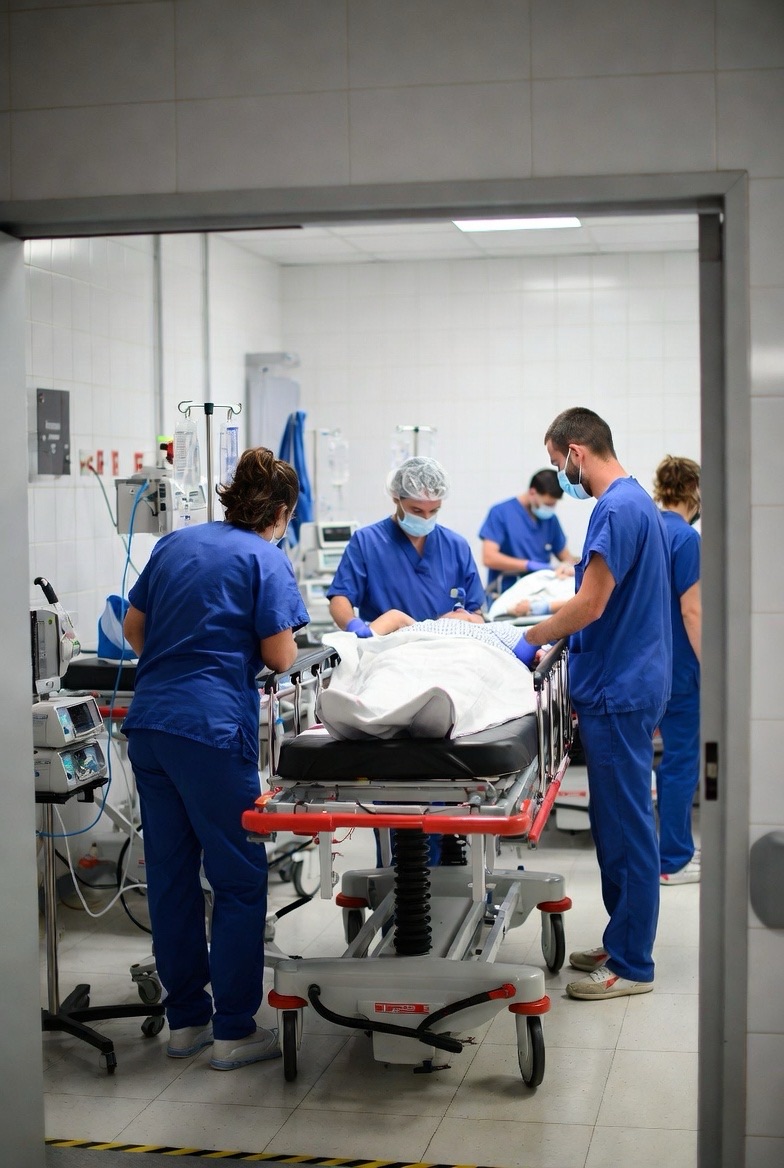
Illegal or unethical organ harvesting and trafficking is a real, serious global.
Credible Allegations:
The most substantiated and large-scale claims involve state-sponsored forced organ harvesting in China, targeting prisoners of conscience (e.g., Falun Gong practitioners, Uyghurs, Tibetans, and others). Independent investigations, including:
• Reports by David Kilgour and David Matas (2006–ongoing),
• The China Tribunal (2019 judgment: crimes against humanity, ongoing practice),
• UN human rights experts (2021: “extremely alarmed” by credible reports),
• U.S. congressional hearings and legislation (e.g., Stop Forced Organ Harvesting Act passed House in 2025), conclude this has occurred on an industrial scale for decades, involving tens of thousands of victims annually. Organs (hearts, kidneys, livers) are allegedly removed without consent, often from living detainees, for transplant tourism and profit (China’s industry estimated at $1 billion+ yearly). China denies this, claiming reforms since 2015 rely on voluntary donations, but data discrepancies (e.g., 60,000–100,000 transplants vs. official ~10,000) and lack of transparency fuel concerns. As of 2025–2026, reports indicate it continues.
Global Illegal Organ Trafficking
Organ trafficking (exploiting vulnerable people for removal/sale) is a criminal enterprise worth $840 million–$1.7 billion annually, accounting for ~10% of transplants worldwide (~12,000 illegal ones yearly). Kidneys are most common. It involves brokers, corrupt doctors, and networks in countries like Egypt, India, Pakistan, Nigeria, and others. Victims are often deceived or coerced (e.g., refugees, poor migrants). Rare prosecutions occur (e.g., UK’s first in 2023: Nigerian politician trafficking for family transplant).
Issues in the U.S. and Western Hospitals
• Ethical lapses in organ procurement: 2025 HHS investigation (under RFK Jr.) found systemic problems in U.S. organ organizations, including rushed/inaccurate death declarations, poor assessments, and attempts to proceed on patients showing life signs (e.g., 28 cases where procurement started prematurely; procedures halted). Vulnerabilities in rural/small hospitals; reforms mandated.
• Isolated incidents: Cases like a Kentucky patient (2021) moving/crying during prep (halted by staff) or misidentified bodies highlight errors, not malice.
• Historical scandals: UK Alder Hey (1980s–1990s: unauthorized retention of children’s organs for research) led to reforms.
Leave a Reply