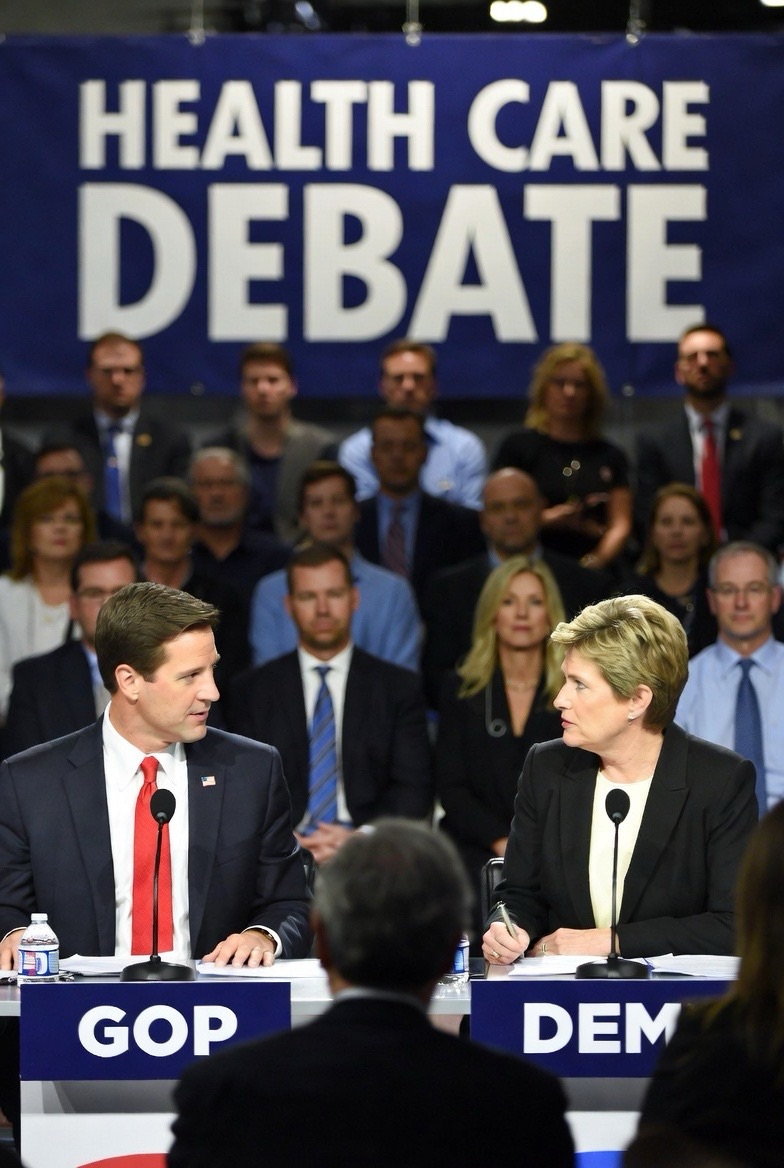
Current U.S. Health Care Debate: Republican vs. Democratic Proposals (as of December 18, 2025)
The main flashpoint in late 2025 is the expiration of enhanced Affordable Care Act (ACA, or Obamacare) premium tax credits at the end of the year. These COVID-era subsidies, extended through 2025, help about 22-24 million Americans afford marketplace plans. Without extension, average premiums could double or rise by $1,000+ annually for many enrollees starting January 2026.
Both parties proposed competing plans, but neither advanced in the Senate due to partisan divides and lack of 60 votes. The House passed a narrow Republican package on December 18 that does not extend subsidies. Meanwhile, four moderate Republicans joined Democrats to force a potential January vote on a subsidy extension bill.
Democratic Proposal
• Core Idea: A “clean” three-year extension of the enhanced ACA premium tax credits.
• Goal: Prevent immediate premium spikes, maintain affordability for marketplace enrollees (many in middle-income brackets), and stabilize coverage for millions.
• Support: Unified Democratic push; some moderate Republicans expressed interest but not enough for passage.
• Criticism from Republicans: Seen as too costly, perpetuating a “broken” system, and contributing to fraud or higher overall costs without reforms.
Republican Proposals
Republicans are divided, with no single unified plan, but common themes include market-based reforms, consumer choice, and cost containment without directly extending ACA subsidies.
• Senate GOP Alternative (led by Sens. Bill Cassidy and Mike Crapo; failed vote):
• Direct payments ($1,000–$1,500) into Health Savings Accounts (HSAs) for lower-income individuals (up to ~700% federal poverty level).
• Paired with high-deductible, lower-premium plans.
• Restrictions: Funds couldn’t cover abortion or gender-affirming care; immigration/citizenship verification required.
• Goal: Empower individuals, reduce reliance on insurer subsidies.
• House GOP Package (passed 216-211 on Dec 18; called “Lower Health Care Premiums for All Americans Act”):
• Expands association health plans (AHPs): Allows small businesses, freelancers, and self-employed to pool for group coverage, potentially lowering premiums via more options.
• Regulations on pharmacy benefit managers (PBMs): More transparency on drug pricing and rebates to lower costs.
• Enhances employer-sponsored options and restores some cost-sharing reductions.
• No subsidy extension; focuses on “real drivers of costs” like competition and transparency.
• CBO Estimate: Reduces deficit by ~$36 billion over 10 years but increases uninsured by ~100,000 annually.
• Goal: Long-term affordability through choice and competition, not direct subsidies.
• Broader GOP/Trump Influences:
• Emphasis on “concepts” like direct payments to individuals (echoing Trump’s past comments).
• Some ties to Project 2025 ideas (conservative blueprint, not officially Trump’s): Promote Medicare Advantage, restrict certain reproductive/gender care funding, rename HHS “Department of Life.”
• Internal GOP Tension: Moderates in battleground districts worry about political fallout from premium hikes; conservatives oppose bolstering ACA.
Experts note neither side’s plan fully addresses rising costs comprehensively. Democrats argue GOP inaction creates a “health care crisis.” Republicans claim they are “fixing” a flawed system while accusing Democrats of breaking it initially.
On December 17, 2025, the U.S. House of Representatives passed the Lower Health Care Premiums for All Americans Act (a Republican-led bill) in a narrow 216-211 vote, largely along party lines.
This legislation does not extend the enhanced Affordable Care Act (ACA, or Obamacare) premium tax credits that were expanded during the COVID-19 pandemic and are set to expire on December 31, 2025. Those credits have made coverage more affordable for millions, and their expiration is expected to have the most significant immediate impact.
Key Impacts on Americans
• ACA Marketplace Enrollees (about 20-24 million people): Without the enhanced subsidies, average out-of-pocket premiums could more than double starting January 1, 2026 (in some cases rising by $1,000 or more annually). This could lead to millions dropping coverage or switching to plans with higher deductibles and copays. Estimates suggest 100,000 to several million more uninsured Americans in the coming years, depending on behavioral responses.
• Broader Cost-Reduction Measures in the Bill: Republicans argue these will lower costs over time for a wider group:
• Expands association health plans (allowing small businesses and self-employed individuals to band together for potentially cheaper group coverage).
• Funds cost-sharing reductions for insurers.
• Includes reforms to pharmacy benefit managers (PBMs) to increase transparency and reduce drug costs.
• Other conservative priorities aimed at boosting workplace/employer-sponsored insurance options.
• Budgetary Effects: The Congressional Budget Office (CBO) estimates the bill reduces federal deficits by about $35-36 billion over a decade but slightly increases the uninsured rate (averaging 100,000 more uninsured per year through 2035).
• Status and Outlook: The bill is unlikely to advance in the Senate before the end-of-year recess or become law in its current form, as the Senate (also Republican-controlled) previously rejected related proposals. The subsidy expiration now appears almost certain unless emergency action occurs in early 2026 under the incoming Trump administration. Some moderate Republicans expressed frustration, briefly supporting a Democratic effort to force a vote on a clean subsidy extension, but that did not succeed in time.
Overall, the bill represents a partisan alternative focused on market-based reforms rather than direct subsidy renewal. Its short-term effect is primarily indirect—by not preventing the subsidy cliff, it contributes to higher costs for ACA users—while claiming longer-term savings for others through competition and efficiency. Sources across the spectrum (e.g., Reuters, Axios, Politico, CNN, CBO via reports) confirm these details, with Republicans emphasizing cost-lowering potential and Democrats/critics highlighting the risk of coverage losses.
Broader Trump-era actions (e.g., restricting gender-affirming care funding for minors) align with conservative priorities but are separate from this debate.
For personalized impacts, check healthcare.gov or consult experts.
Leave a Reply