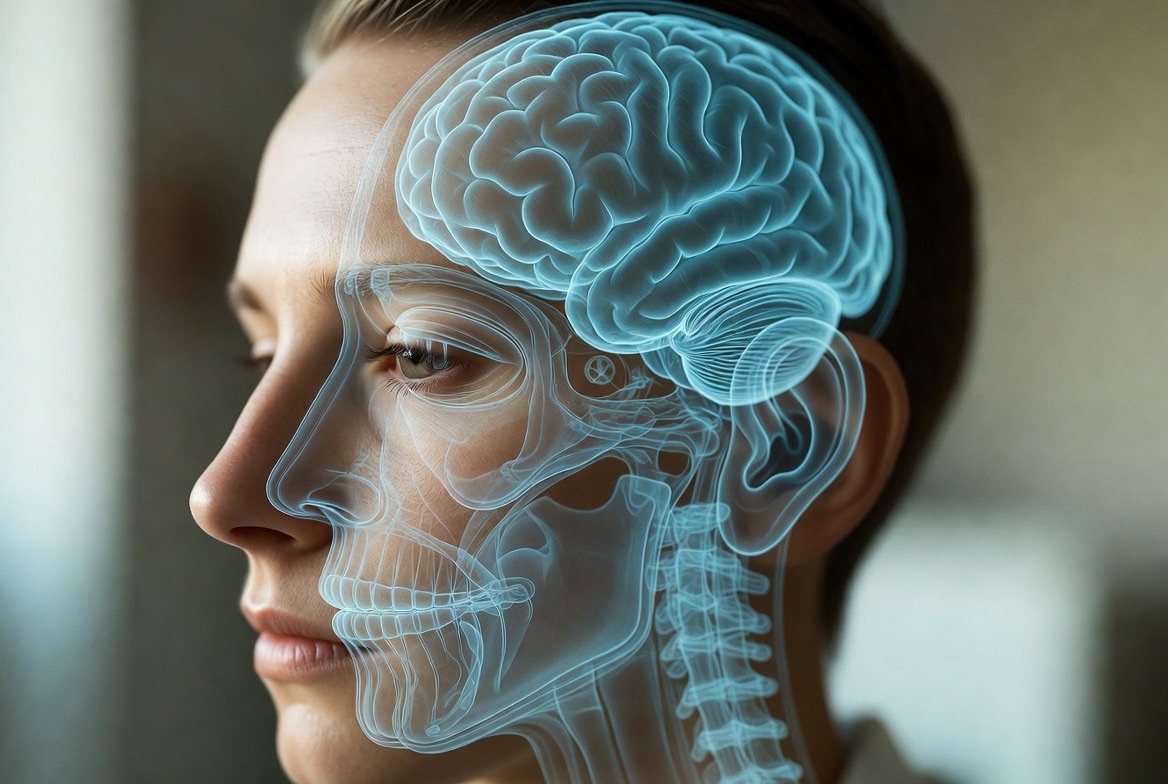
According to a major theory in modern neuroscience called predictive coding (or predictive processing), your brain largely acts according to what it predicts is coming next—rather than just reacting passively to sensory input like a simple camera or sensor.
This idea flips the traditional view of the brain. Instead of perception being mostly “bottom-up” (senses → brain registers raw data → builds understanding), predictive coding says the brain is constantly generating top-down predictions about what’s going to happen based on its internal model of the world (built from past experiences, expectations, and context). Sensory input then mainly serves to check those predictions: if they match, great—the brain “explains away” the input with minimal processing. If there’s a mismatch (a prediction error), that’s what gets attention and drives updates to the model, learning, or even action to make the world match the prediction better.
Key Points of How This Works
• The brain as a prediction machine: Pioneered by thinkers like Karl Friston (who ties it to the free energy principle), the core goal is to minimize surprise or uncertainty (prediction errors). The brain constantly forecasts sensory data to stay efficient—why waste energy re-processing predictable stuff?
• Hierarchy in the brain: Predictions flow downward from higher cortical areas (more abstract, long-term context) to lower sensory areas. Errors flow upward, refining the model. This creates a loop: predict → compare → update (or act to change input).
• Examples in everyday life:
• You “hear” the next word in a familiar song before it’s played—your brain predicts it.
• Optical illusions (like the dress color debate) happen because predictions override raw input.
• Motor control: You don’t just react to falling; you predict and adjust posture in advance.
• Emotions and mental health: Anxiety can arise from overly strong predictions of threat (high prediction error if the world feels unpredictable).
This framework explains a ton—from perception and action to learning, consciousness hints, and disorders like schizophrenia (where prediction errors might be mishandled, leading to delusions) or autism (possibly atypical precision in predictions).
It’s not proven as the full story of the brain (science is ongoing, with debates and evidence building), but it’s one of the most influential unifying ideas in neuroscience right now, backed by tons of studies on vision, language, decision-making, and more. It makes the brain proactive and anticipatory—constantly acting on what it thinks comes next, and only updating when reality surprises it.
Leave a Reply