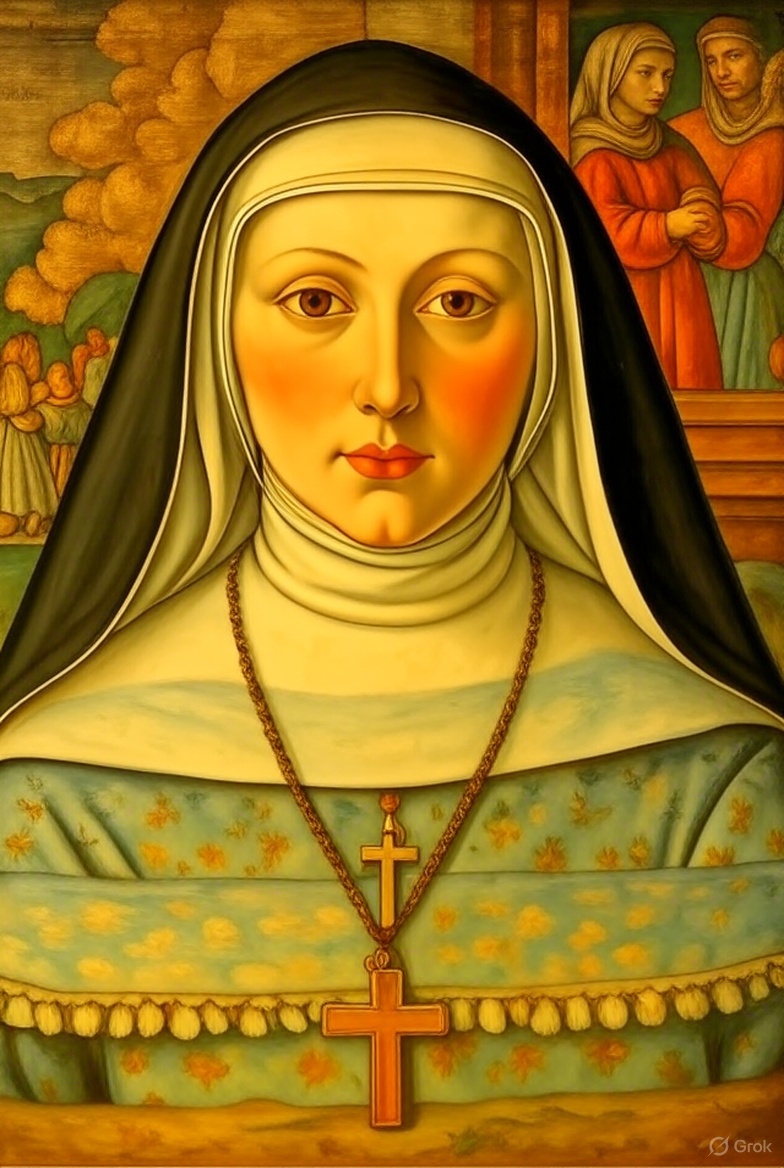
Saint Teresa of Avila (1515–1582), the Spanish Carmelite mystic and Doctor of the Church, described the stages of awakening and union with God through her metaphor of the “Interior Castle.” This masterpiece, written in 1577, portrays the soul as a crystal castle with many mansions or rooms, each representing a deeper level of consciousness and intimacy with the Divine.
The Seven Mansions: Stages of Spiritual Awakening and Divine Union
1. The First Mansion — Awakening of the Soul
Stage: Initial conversion and self-awareness. Experience: The soul begins to awaken from spiritual sleep. It recognizes God’s presence but is still attached to worldly distractions. Virtue Developed: Humility and self-knowledge. Parallel: The first awakening of the seeker — the stirring of the Divine spark within.
“The door of entry into this castle is prayer and meditation.” — St. Teresa
2. The Second Mansion — The Call to Purification
Stage: Active effort to turn inward. Experience: The soul battles between worldly desires and the yearning for God. Suffering and temptation refine spiritual strength. Virtue Developed: Perseverance and detachment. Parallel: The “dark night of sense” begins — old habits die, new spiritual sensitivity arises.
3. The Third Mansion — Surrender and Discipline
Stage: The soul practices virtue, self-control, and devotion. Experience: Spiritual stability appears, yet the union remains largely intellectual and disciplined rather than ecstatic. Virtue Developed: Obedience and charity. Parallel: The disciplined seeker walking “the middle path” before true mystical transformation.
“It is not in thinking much, but in loving much, that brings the soul to perfection.”
4. The Fourth Mansion — Illumination of Grace
Stage: Passive contemplation begins. Experience: The soul receives “infused prayer,” a gift of divine stillness where the faculties rest in God’s love. Virtue Developed: Trust and receptivity. Parallel: Entry into the mystical heart — the Divine takes the initiative; the soul begins to receive rather than strive.
5. The Fifth Mansion — The Mystical Union (Betrothal)
Stage: Deep interior transformation. Experience: The “spiritual betrothal” — a union of will and love. The soul experiences rapture, visions, or ecstasy, symbolized by the silkworm transforming into a butterfly. Virtue Developed: Complete surrender and divine intimacy. Parallel: The individual self dissolves into divine will, echoing the “Christ consciousness” within.
“The soul knows that it loves and that it is loved.”
6. The Sixth Mansion — The Dark Night of the Spirit
Stage: Purification through suffering and divine longing. Experience: The soul endures trials, illnesses, misunderstandings — even feeling abandoned by God. Yet these purify and expand the capacity for divine love. Virtue Developed: Faith without consolation. Parallel: The alchemical stage of crucifixion before resurrection — the soul’s shadow burns away in divine fire.
7. The Seventh Mansion — Spiritual Marriage (Union)
Stage: Complete union with God. Experience: No distinction between lover and beloved. The soul lives in continual awareness of the Divine Presence. It acts purely out of divine love — a life of service, peace, and joy. Virtue Manifested: Oneness, serenity, divine wisdom. Parallel: The highest octave of awakening — full realization of the Self as one with God.
“The soul becomes one with God, as water poured into water.”
Her work remains a cornerstone of Christian mysticism and contemplative prayer.“We are the castle; God is the King who dwells within.”
In the Law of One, Ra affirmed that Saint Teresa of Avila was one of the advanced souls of loving nature who chose to remain incarnate on Earth to serve — a being nearing harvest, living as an instrument of divine love within the third-density plane in session 22.15 .
Questioner: Were any of these entities names that we know from our historical past? That have appeared as incarnated beings we find in our history?
Ra: The one known as sound-vibration complex, Saint Augustine, is of such a nature. The one known as Saint Teresa of such a nature. The one known as Saint Francis of Assisi of such nature. These entities, being of monastic background, as you would call it, found incarnation in the same type of ambiance appropriate for further learning.
“Love and gratitude foster forgiveness; faith and service awaken devotion to the oneness of all.”
Leave a Reply